3D printers build objects layer by layer from plastic filament, resin, or other materials, and this category covers the models you can buy for home, school, or a small workshop. The main difference between them is the printing method: filament printers melt and extrude plastic and tend to be the easiest to start with, while resin printers cure liquid with light and produce finer detail at a higher cost in materials and cleanup. Before you pick one, check the build volume (the largest object it can print), whether it comes assembled or as a kit, what filament types it supports, and how much you want to tinker with settings.
Dept 11
3D Printers
3D printers are machines that build objects layer by layer from plastic filament or resin, and this section lists the models you can shop for here
Product List
100 products · We may earn a commission from these links.


3D Printing Miniatures Book
Product Review Score
4.61 out of 5 stars
(101)

3D Printing Beginner Guide
Product Review Score
4.16 out of 5 stars
(223)


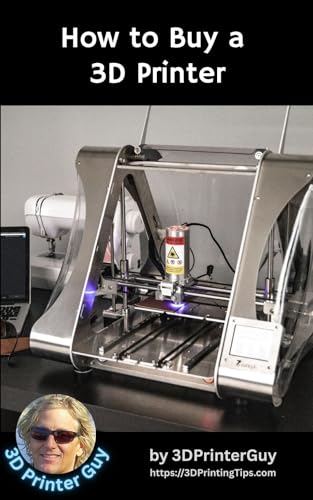
3D Printer Buying Guide
Product Review Score
4.83 out of 5 stars
(137)A 3D printer builds objects one thin layer at a time, usually from a spool of plastic filament, and the build volume is the first thing to check because it sets the largest object you can make in one piece. Smaller desktop machines suit people who want to print figurines, phone stands, and replacement parts, while larger frames give you room for bigger projects like cosplay props or household brackets. Pay attention to the filament types each printer supports, since basic PLA is the easiest to work with and other materials like PETG or ABS need more heat and better ventilation.
Think about how much setup and upkeep you want to handle. Some models arrive mostly assembled and come with auto bed leveling, which saves a lot of frustration for beginners, while kits take longer to build but teach you how the machine works. Regular care is simple: wipe the print bed, clean the nozzle when prints start to stick or underextrude, and keep filament dry because damp spools cause stringy, weak results. If you are new to printing, go with a ready-to-run machine. If you enjoy tinkering and want to upgrade parts over time, a kit or open-frame model is a better fit.