Mirrors hang on walls, sit on dressers, and come in shapes from round to rectangular to tall floor-length frames. The main differences between them are size, frame material like wood, metal, or plain glass edges, and whether the mirror is meant to hang or stand. Before you buy, check the measurements against the wall or spot you have in mind, look at how the frame is attached, and make sure the hanging hardware is included.
Dept 15
Mirrors
Mirrors on this shelf cover wall, vanity, full length, and round styles, with deals on frames and sizes shoppers ask about most
Product List
265 products · We may earn a commission from these links.


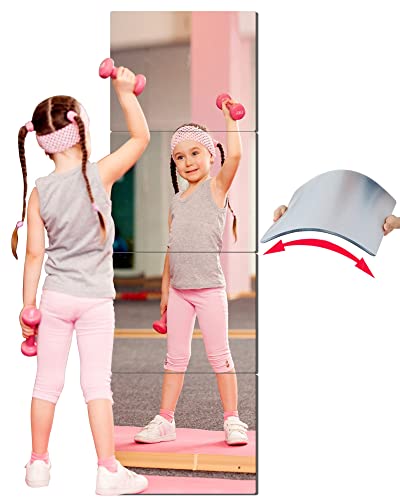


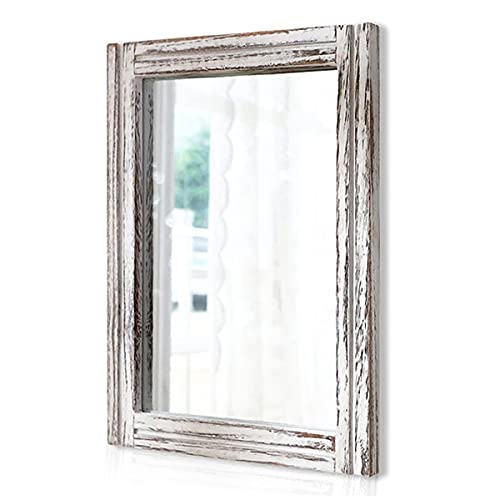

Mirrors come in a huge range of sizes, from small hand mirrors to full-length floor models, so the first thing to check is where it will hang or stand. Measure the wall space or the spot by your door before you fall in love with a design. Frames are the other big decision, since wood, metal, and plastic each look and feel different and handle moisture and knocks in their own way.
Glass thickness and backing quality matter more than most people expect, because cheaper mirrors can start to cloud or spot along the edges over time. Bathroom mirrors need a backing that copes with steam, while bedroom and hallway mirrors can get away with a lighter build. Cleaning is simple for most types: a soft cloth and a little glass cleaner works, but avoid harsh abrasives on painted or wooden frames.