Servers and NAS units are computers built to store files, run services, and stay on around the clock. A basic server is a general-purpose machine you can load with any operating system, while a NAS (network attached storage) is a box with drive bays that shares files across your home or office network, often with a simpler interface and built-in apps. Before you buy, check how many drive bays you need, whether the unit includes drives or leaves them out, how much memory and processing power it has, and which network ports and software it supports.
Dept 11
Need help choosing?
Best Coupon Browser Extensions
Read the guide ›
Servers & NAS
Servers and NAS units are storage boxes and computers built to keep your files, backups, and media running all day for home or office use
Product List
136 products · We may earn a commission from these links.


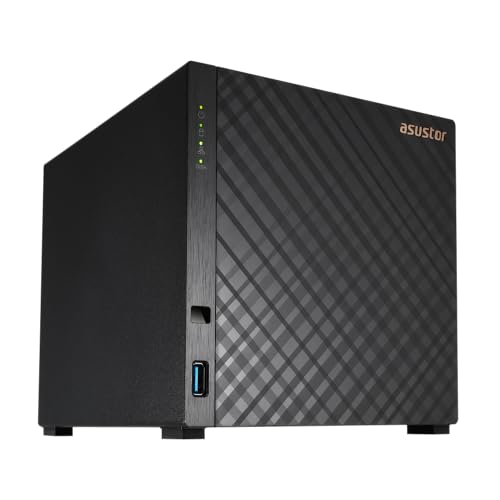


QNAP NAS Home Server Guide
Product Review Score
4.38 out of 5 stars
(125)A server or NAS is a box that holds your files and serves them to other devices on your network, so the main choice is how many drive bays you need and how much storage you plan to fill. Look at the drive count first, then the processor and memory, since those decide whether the unit can handle file sharing, backups or media streaming without slowing down. Pay attention to whether the drives are included or sold separately, because that changes the total cost a lot.
Small home users usually do fine with a two or four bay NAS that runs a simple operating system and handles photos, documents and backups. Bigger households or anyone running a media library or home office setup will want more memory and a stronger processor, and a rack-mount server suits people who already have a server closet or cabinet. Use and care matter too: keep the unit in a ventilated spot, check that it has a power backup option, and plan a regular backup of the data itself, since a drive can fail even in a good enclosure.